
Ask ten investors where to buy a villa in Bali, and you’ll get ten different answers. Some swear by Uluwatu’s clifftop prestige. Others chase Canggu’s cash flow. A few contrarians are betting big on Ubud’s wellness boom.
Here’s the truth: there’s no single “best” location for Bali property investment. But there is a best location for *your* investment strategy. Let’s break down the real numbers, the hidden costs, and what actually drives rental yield in Bali across these three hotspots.
The ROI Breakdown: What the Numbers Actually Say
Forget the glossy brochures promising 25% returns. Let’s talk about what sophisticated investors are actually achieving in each area when they invest in Bali real estate.
📊 Average ROI by Location (2024-2025 Data)
Uluwatu: 13-18% annual ROI
Canggu/Berawa: 15-22% annual ROI
Ubud: 12-17% annual ROI
Note: These figures assume professional management, optimal pricing, and properties designed for rental appeal.
But ROI isn’t just one number. It’s a combination of rental income, capital appreciation, and operating costs. A villa in Canggu might generate more monthly cash flow, but a villa for sale in Uluwatu could double in value over five years. Let’s dig deeper.
Uluwatu: The Prestige Play
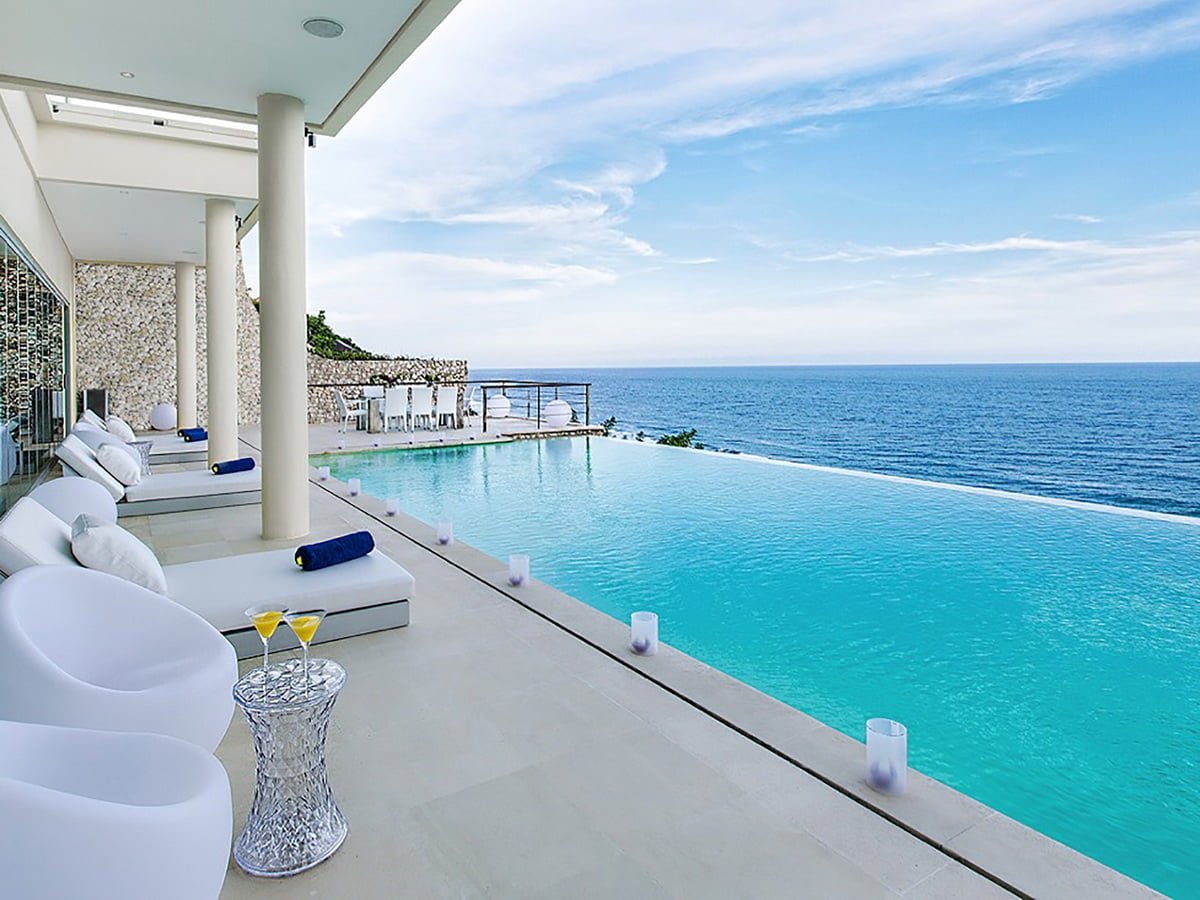
When people think luxury Bali real estate, they think Uluwatu. Dramatic cliff edges, world-class surf breaks, and that intangible “wow factor” that makes guests willing to pay premium rates.
The Uluwatu Investment Profile
Best for: Investors prioritizing capital appreciation and high-end positioning
Entry point: $299k-$800k
Average nightly rate: $350-$600
Typical occupancy: 60-75%
Annual appreciation: 18-22%
“Uluwatu is the only area in Bali where true land scarcity exists. You can’t build more clifftops. This creates a pricing floor that protects your investment even in down markets.” – Art Villas Bali Investment Team
What Makes Uluwatu Different
The Uluwatu real estate market operates on different fundamentals than the rest of Bali. Limited land supply means less competition. International recognition (thanks to surf culture and luxury resorts) means consistent demand from high-spending guests.
Here’s what most investors miss: villas in Uluwatu attract a different guest profile. They’re willing to pay more, stay longer, and cause less wear on the property. Your ideal Uluwatu guest isn’t the Canggu party crowd-they’re families celebrating anniversaries, digital nomad couples seeking luxury and quiet, and wellness retreats.
⚠️ Uluwatu Reality Check
The Good: Premium positioning, land scarcity, strong appreciation
The Challenge: Higher entry cost, further from “happening” areas, requires premium design to justify rates
Hidden Cost: Clifftop properties need robust construction-saltwater corrosion and wind exposure demand higher maintenance budgets
Canggu/Berawa: The Cash Flow Machine
If Uluwatu is the prestige play, Canggu property is the income generator. High tourist density, established infrastructure, and a thriving expat community create the perfect environment for consistent rental income.
The Canggu Investment Profile
Best for: Investors maximizing monthly cash flow
Entry point: $250k-$600k
Average nightly rate: $200-$450
Typical occupancy: 70-85%
Annual appreciation: 12-16%
The magic of investing in Canggu is volume. While nightly rates might be lower than Uluwatu, you’re hitting 80% occupancy instead of 65%. Do the math: $300/night at 80% occupancy crushes $450/night at 60% occupancy.

Why Canggu Dominates Rental Yield
Location, location, location. A villa in Bali is only as good as its proximity to what guests actually want. In Canggu, that means beach clubs, restaurants, coworking spaces, and surf breaks-all within scooter distance.
Pro tip: Villas within 10 minutes of Finns Beach Club, La Brisa, or Old Man’s consistently outperform remote properties by 30-40%. Walkability is the new oceanfront.
But here’s where it gets interesting: the Canggu market has matured. Five years ago, any villa with a pool could command premium rates. Today, you need differentiation. Rice field views, standout architecture, or proximity to hotspots separate winners from also-rans.
💡 The Canggu Secret: Micro-Location is Everything
Berawa (North Canggu): Quieter, more family-friendly, rice field views
Echo Beach area: Surf culture, beach access, younger demographic
Pererenan: Emerging area, lower entry cost, 15-20 min to main action
Batu Bolong: Most expensive, highest competition, maximum convenience
The Canggu Challenge
High occupancy comes with a price: wear and tear. Your property in Canggu will cycle through more guests, which means more maintenance, more cleaning, more management. Budget accordingly. The sweet spot? 3-bedroom villas with standout design-not so big you’re expensive, not so small you’re competing with hotels.
Ubud: The Contrarian Bet
While everyone fights over beachfront, smart money is quietly accumulating in Ubud. Lower entry costs, wellness tourism explosion, and a guest profile that stays longer and complains less.
The Ubud Investment Profile
Best for: Investors seeking lower entry cost with lifestyle bonus
Entry point: $180k-$400k
Average nightly rate: $150-$350
Typical occupancy: 55-70%
Annual appreciation: 10-15%
Real estate in Ubud operates on different physics. You’re not selling parties and beach clubs-you’re selling tranquility, authenticity, and transformation. Your ideal guest is doing a yoga retreat, a digital detox, or celebrating an anniversary surrounded by rice terraces.
Why Ubud Works (For the Right Investor)
The average Ubud guest stays 7-14 days versus 3-5 days in Canggu. Longer stays mean lower turnover costs, less wear, and often more profitable bookings even at lower nightly rates. Plus, you’re attracting wellness practitioners, writers on retreat, and couples seeking romance – not bachelor parties.
“Ubud guests treat your villa like a sanctuary. Canggu guests treat it like a party venue. Both can be profitable, but one is definitely easier to manage.” – Property manager with portfolio across both areas
🎯 Ubud’s Hidden Advantage
Lower entry cost means you can build a villa in Bali with premium finishes and still come in under $300k total investment. Try doing that in Uluwatu or Canggu. Plus, Ubud properties often come with larger land plots-more privacy, more garden space, more “wow factor” for the price.
The Ubud Trade-Off
You’re sacrificing beach access and convenience. Guests choosing Ubud are opting into the inconvenience – they *want* to be away from everything. But this also limits your market. You won’t capture the surf crowd, the party demographic, or people wanting easy beach club access.
So Which Area Actually Has the Best ROI?
Here’s the framework that actually works:
Choose Uluwatu if: You’re prioritizing capital appreciation over immediate cash flow, have $300k+ to invest, and want prestige positioning that protects downside risk.
Choose Canggu if: You want maximum monthly income, can stomach higher management intensity, and understand that differentiation is everything in a saturated market.
Choose Ubud if: You’re working with $200-300k, value lower stress management, and believe wellness tourism is the next big wave (spoiler: it is).
💰 The Multi-Property Strategy
Here’s what sophisticated investors actually do: they don’t choose. A $600k investment gets you a premium Uluwatu villa OR two strong Canggu/Ubud properties. Diversification across locations hedges against area-specific downturns and captures different guest segments. One property for appreciation, one for cash flow.
Beyond Location: What Actually Drives ROI
Location sets your ceiling, but these factors determine if you actually reach it:
- Property management quality (30-50% impact on performance)
- Design and photography (first impression is everything online)
- Amenities that photograph well (infinity pools, outdoor bathtubs, statement design)
- Legal structure (proper PMA vs risky nominee arrangements)
The Bali real estate market is efficient enough that location alone won’t save a poorly managed property. But it’s also forgiving enough that great execution in a “worse” location can outperform mediocrity in a “better” one.
Making Your Decision
The best area for Bali villa investment isn’t about following the crowd to Canggu or chasing Uluwatu prestige. It’s about honest assessment of your goals, budget, and management capacity.
Want to buy property in Bali that prints monthly cash flow? Canggu’s your answer. Building long-term wealth through appreciation? Uluwatu wins. Looking for that sweet spot of lower entry cost and lower stress? Ubud’s calling.
🚀 Ready to Invest?
Whether you’re looking for a villa for sale in Uluwatu, want to build a custom villa in Canggu, or explore Ubud’s emerging market, we’ve helped over 500 investors find their perfect match. Book a consultation and let’s find the location that actually fits your investment strategy – not just what’s trendy right now.
The opportunity in Bali property investment is real across all three areas. The question isn’t which is “best” – it’s which is best for *you*.